
Fire protection systems and ventilation
Fire protection systems and ventilation are closely interconnected. Fires pose one of the most serious threats to human life and health, as well as to property. It’s important to understand that effective fire protection includes not only fire detection and extinguishing systems but also reliable ventilation.
Fire protection systems: components
- Detection Systems: Smoke and heat detectors that respond to signs of fire and sound an alarm.
- Extinguishing Systems: Automatic or manual systems, such as sprinklers, foam systems, and gas systems, that are designed to suppress fire.
- Warning Systems: Audible and visual signals that inform people of the need to evacuate.
- Escape Routes: Exit signs and emergency lighting that help people leave the building safely.
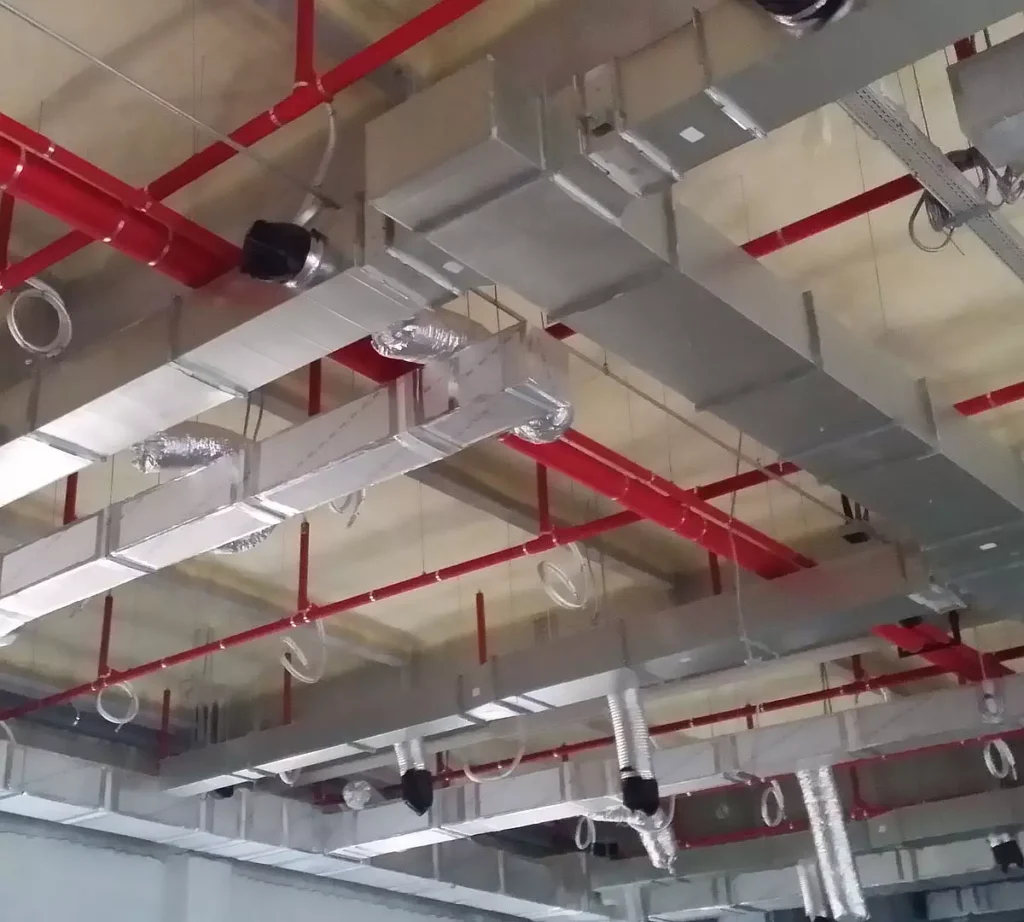
Fire safety - the role of ventilation
Ventilation is the process of air exchange in rooms, which is necessary to maintain a comfortable indoor climate. However, in the context of fire safety, ventilation performs several important functions:
- Smoke and toxic gas removal: Fires produce large amounts of smoke and harmful substances. Effective ventilation helps quickly remove them from the room, reducing the risk of poisoning.
- Temperature control: Ventilation can help reduce the temperature in the room, thereby preventing the further spread of the fire.
- Pressure generation: In some cases, ventilation systems can create positive pressure in rooms, which prevents smoke from entering from adjacent areas.
The relationship between fire protection systems and ventilation
Effective operation of fire protection and ventilation systems must be coordinated to ensure maximum safety. Let’s consider several aspects of this relationship:
- System Automation.
Modern buildings are often equipped with automated control systems that integrate fire protection and ventilation systems. For example, when a fire alarm is triggered, the ventilation system can be automatically shut off or modified to prevent the spread of smoke. - Fire Dampers.
Fire dampers are devices installed in ventilation systems to prevent the spread of smoke and fire through ducts. They automatically close when smoke is detected, thereby limiting the spread of hazardous substances. - Evacuation Plans
When developing evacuation plans, it is important to consider the operation of ventilation systems. It is necessary to consider how smoke and gases will be removed, as well as how to provide safe escape routes for people.
Main types of fire protection systems
Fire extinguishing systems can be classified into several types depending on their purpose and operating principle.
- Automatic Fire Extinguishing Systems
- These systems are designed to quickly and effectively extinguish a fire without human intervention. They can be based on various operating principles, such as water, foam, or gas.
- Sprinkler Systems: Automatically activated when a certain temperature is reached, they spray water onto burning surfaces, allowing for rapid containment and extinguishing of the fire.
- Foam Systems: Use special foam compounds to suppress fires. These systems are particularly effective when extinguishing petroleum products and chemicals.
- Gas Systems: Use inert gases or chemicals for extinguishing.
- Detection and Alarm Systems.
These systems provide early detection and warning of fire signs. They consist of various sensors and alarms.
- Smoke detectors: Detect the presence of smoke in the air and sound an alarm. There are photoelectric and ion smoke detectors, each with their own advantages and disadvantages.
- Heat detectors: React to changes in room temperature. They can be either fixed (triggered when a certain temperature is reached) or combined (react to a sudden increase in temperature).
- Evacuation systems: These systems help organize the safe evacuation of people from a building in the event of a fire. These include:
-
- Fire alarm systems: Provide audible warning of the need to evacuate and information on exit routes.
- Emergency lighting: Illuminates escape routes at night or in smoke-filled conditions, helping people exit the building safely.
Fire safety systems are important
Fire protection systems and ventilation in Batumi play a key role in ensuring building safety. Their effective interaction not only prevents fires but also minimizes their consequences. Investing in modern technologies and regular maintenance of these systems is essential for protecting lives and property. Ensuring reliable fire protection requires a comprehensive approach that includes fire detection and suppression systems as well as effective ventilation solutions. Only in this way can a safe living and working environment be created.